About the Condition:
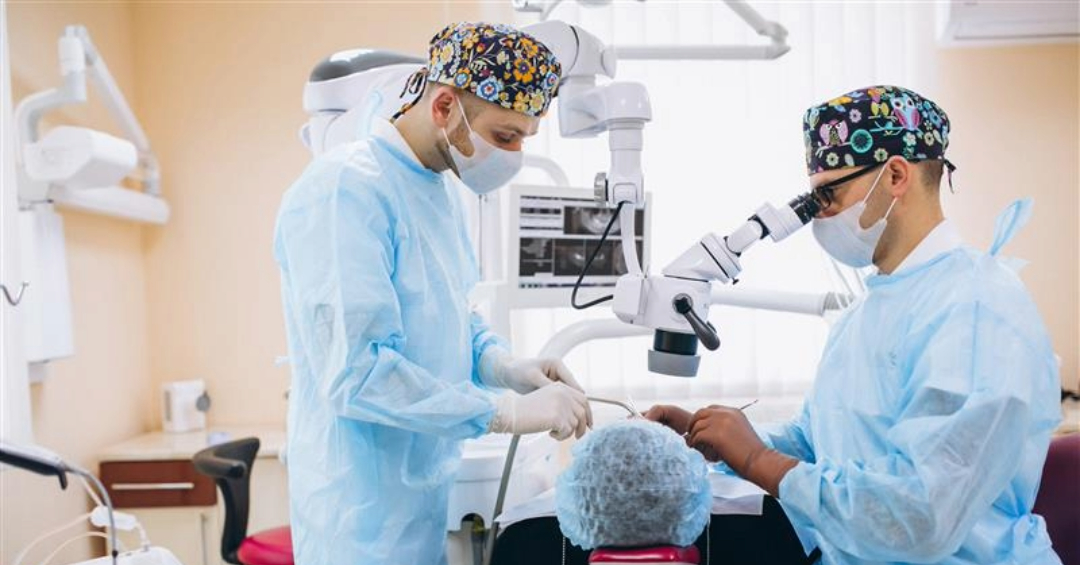
When medical treatment alone isn’t enough, surgical care becomes essential. Some ENT problems—such as chronic sinus infections, structural nasal issues, ear damage, or throat and neck growths—require surgery for lasting relief. With extensive experience, Dr. Manish Jashnani performs a wide range of ENT surgeries with precision, prioritizing patient safety and effective outcomes.
Symptoms:
- Repeated sinus infections and headaches
- Persistent breathing problems
- Frequent tonsillitis (infection of the tonsils) or enlarged adenoids (glands behind the nose affecting breathing)
- Ear discharge or hearing loss from chronic damage
- Persistent voice problems
- Neck lumps or thyroid nodules
Diagnosis:
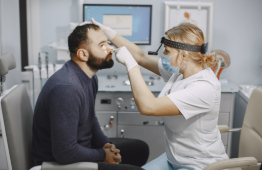
A thorough evaluation with endoscopy, CT or MRI scans, and lab tests confirms when surgery is necessary.
Treatment by Dr. Jashnani:
He specializes in advanced ENT surgeries including:
1. Septoplasty & Sinus Surgery:
- Septoplasty is a surgical procedure to correct a deviated nasal septum (the wall inside the nose that separates the nostrils). When this wall is crooked or displaced, it can cause nasal blockage, difficulty breathing, recurrent sinus infections, snoring, and even sleep disturbances. Septoplasty straightens the septum, improving airflow and reducing congestion.
- Sinus Surgery (often performed endoscopically) is done to treat chronic sinusitis that doesn’t respond to medicines. In this procedure, blocked sinus passages are opened, infected tissue or polyps are removed, and drainage is improved. Patients usually experience fewer infections, better breathing, and relief from headaches and facial pressure.
2. Tonsillectomy & Adenoidectomy:
- Tonsillectomy involves the removal of the tonsils—two oval-shaped pads at the back of the throat. Enlarged or repeatedly infected tonsils can cause sore throats, difficulty swallowing, fever, and sleep apnea. Removing them provides lasting relief from recurrent throat infections.
- Adenoidectomy is the removal of adenoids—lymphoid tissue located behind the nose. Enlarged adenoids can block airflow, cause snoring, frequent ear infections, and mouth breathing in children. Adenoid removal restores normal breathing, improves sleep, and reduces ear-related problems.
These surgeries are common in both children and adults when infections and breathing issues become frequent and troublesome.
3. Microscopic Ear Surgery:
Microscopic ear surgery is performed to treat chronic ear diseases that don’t heal with medicines. Common procedures include:
- Tympanoplasty: Repairing a perforated eardrum to restore hearing and prevent infections.
- Mastoidectomy: Removing infection from the mastoid bone behind the ear.
- Ossiculoplasty: Repairing or replacing tiny ear bones (ossicles) to improve sound transmission and hearing.
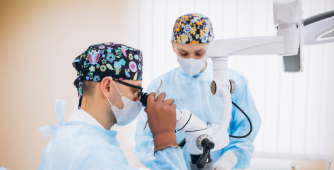
Using a surgical microscope, Dr. Jashnani can operate with high precision, ensuring delicate structures inside the ear are preserved while improving hearing and preventing infections.
4. Voice Box Surgeries:
- The voice box (larynx) contains the vocal cords, which produce sound. Overuse, infections, or growths like polyps, nodules, or cysts can cause persistent hoarseness, voice loss, or throat discomfort.
- Voice box surgeries remove these growths safely, often through minimally invasive techniques, without damaging the vocal cords. After surgery, patients usually notice significant improvement in voice clarity, strength, and comfort. This surgery is especially important for teachers, singers, and professionals who rely heavily on their voice.
5. Thyroid & Neck Surgeries:
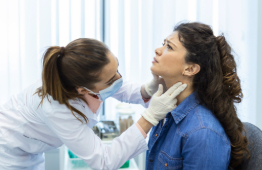
The thyroid gland, located in the front of the neck, can develop nodules, enlargement (goiter), or in rare cases, cancer. Neck lumps or swellings may also develop in other glands (like lymph nodes).
Thyroid and neck surgeries include:
- Removal of nodules or cysts causing swallowing or breathing difficulty.
- Surgery for goitre (enlarged thyroid).
- Partial or total thyroidectomy if cancer is suspected or confirmed.
These surgeries are performed with precision to preserve vital nerves and blood vessels while ensuring complete removal of the problem.
Note: All procedures are performed with precision, minimal invasiveness, and emphasis on quick recovery.